By Jackson Howarth
Mon, 20 Apr 2026 11.36 GMT
記事
Ensuring your energy tech is set up to leverage AI
Artificial intelligence has the power to unlock a range of benefits for utilities, from helping to transform customer experiences to optimizing and balancing the grid. But when it comes to implementing this cutting-edge tech, how can you tell which software is truly set up to embrace AI’s full potential? Effective AI needs two things. First, it must be able to learn from and draw on trustworthy, well-organized, relevant data. Second, AI must have the space to complete actions based on the context it's been given. Kraken, it just so happens, is set up for both.
What makes ‘utility-grade’ AI?
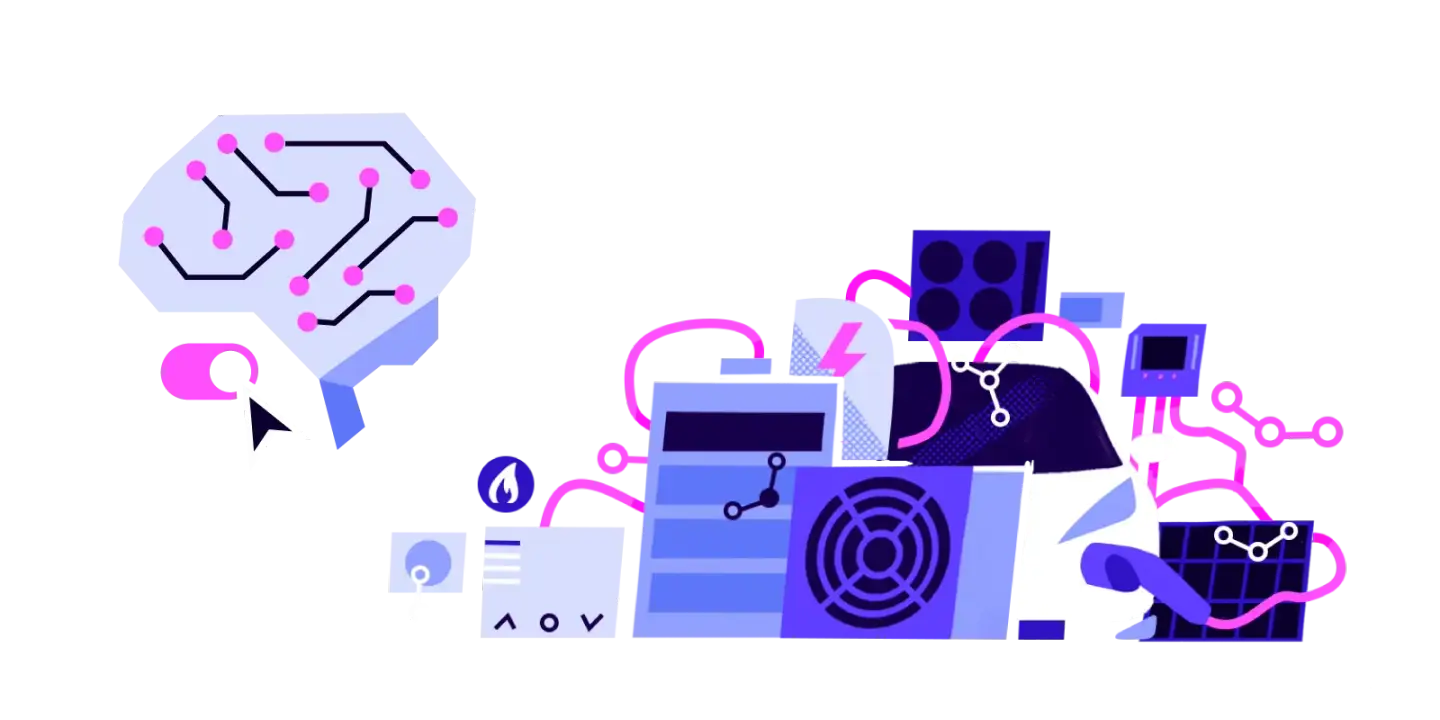
AI thrives off of trustworthy, accessible, uniform data. Accurate, contextually relevant information is critical if AI is going to guide and execute tasks on our behalf. The more relevant data that AI can access and take into account, the more context it will have, the better informed and more helpful its responses will be. Ideally, a "utility-grade AI," built for the complexities and nuances of the energy industry, should draw from one unified ‘context space’ where all this data is coherently organized and can be easily drawn upon at once.
Similarly, AI software should ideally be capable of acting in a range of versatile ways and completing a wide array of useful jobs. When it comes to helping with customer management at a utility, for example, rather than having different AI instances trained for metering, billing, and communications tasks, utility-grade AI should ideally be able to act across a broad range of ‘action spaces’.
In this case, we might want AI to automatically pick up an altered meter reading, understand this in the context of the customer’s rate (or tariff), then to be able to adjust billing accordingly, before feeding this information through a utility’s communication capabilities, perhaps drafting a message to the customer to alert them of the change.
What's holding back AI in the energy industry?
Historically, energy industry software tends to have been designed by large companies who adapt their tech for the energy market from a range of other industries (think different billing, metering, fieldworks and customer communications platforms, for example). With little commonality between clients, there’s often not as much learning and acting that AI can do across relevant energy-based "context spaces." Utilities may attempt to patch an existing "re-skinned" LLMs into their systems, but they still need to be trained on industry and utility specific data in order to be most effective.
As utilities have been forced to cobble together disparate, non-bespoke technologies, most energy software systems lack the necessary coherent, holistic data-based "context" spaces needed for the best-informed, most reliable AI (instead data is spread across multiple systems, in a range of different formats). Similarly, this creates siloed "action spaces," making it difficult for AI to reach across different systems to effectively perform complex tasks.
Today, many energy software solutions do claim to offer utilities a more efficient ‘unified’ platform, where you can access all the capabilities needed to serve end customers in one place. Yet when you look under the hood, these systems often aren’t quite as holistic as they might seem. Most ultimately retain the same old underlying disconnected structure, pulling many different data points from many different platforms, in many different formats, into a "central" hub, with a thin veneer of "unity" plastered over the top.
Even when software solutions are designed specifically for the energy market, if the relevant data remains siloed under the hood, pulled from a range of different platforms, in a range of different forms and formats, and so they end up with unreliable AI tools, which are more prone to "hallucinations," provide shallower answers, and are incapable of performing a broad range of tasks effectively.
What should utility-grade AI look like?
Kraken has been designed to leverage AI. Kraken was purpose built to dismantle siloes and unlock more efficient ways of running a utility.
The capabilities for Kraken’s unified energy system — customer capabilities, consumer device optimization, large asset control, fieldworks and more — draw from one central data source, containing a wealth of secure, coherently-formatted data. This unified data model is designed for easy retrieval, and constantly maintained to ensure health and accessibility.
Ultimately, a true single-data model unlocks a huge range of benefits. It empowers team members to action a wide array of tasks, enables clients to draw on a wide array of data to make informed decisions, and underpins the training, and operation, of capable, reliable AI.
Case study: Kraken’s AI-powered customer capabilities
The benefits of a truly unified, utility-grade AI are evident in Kraken’s AI-powered customer capabilities. Today 9 leading utilities around the world including Origin, E.On and EDF are using Kraken’s AI to complete a wide range of tasks, across 7 countries, in 6 different languages.
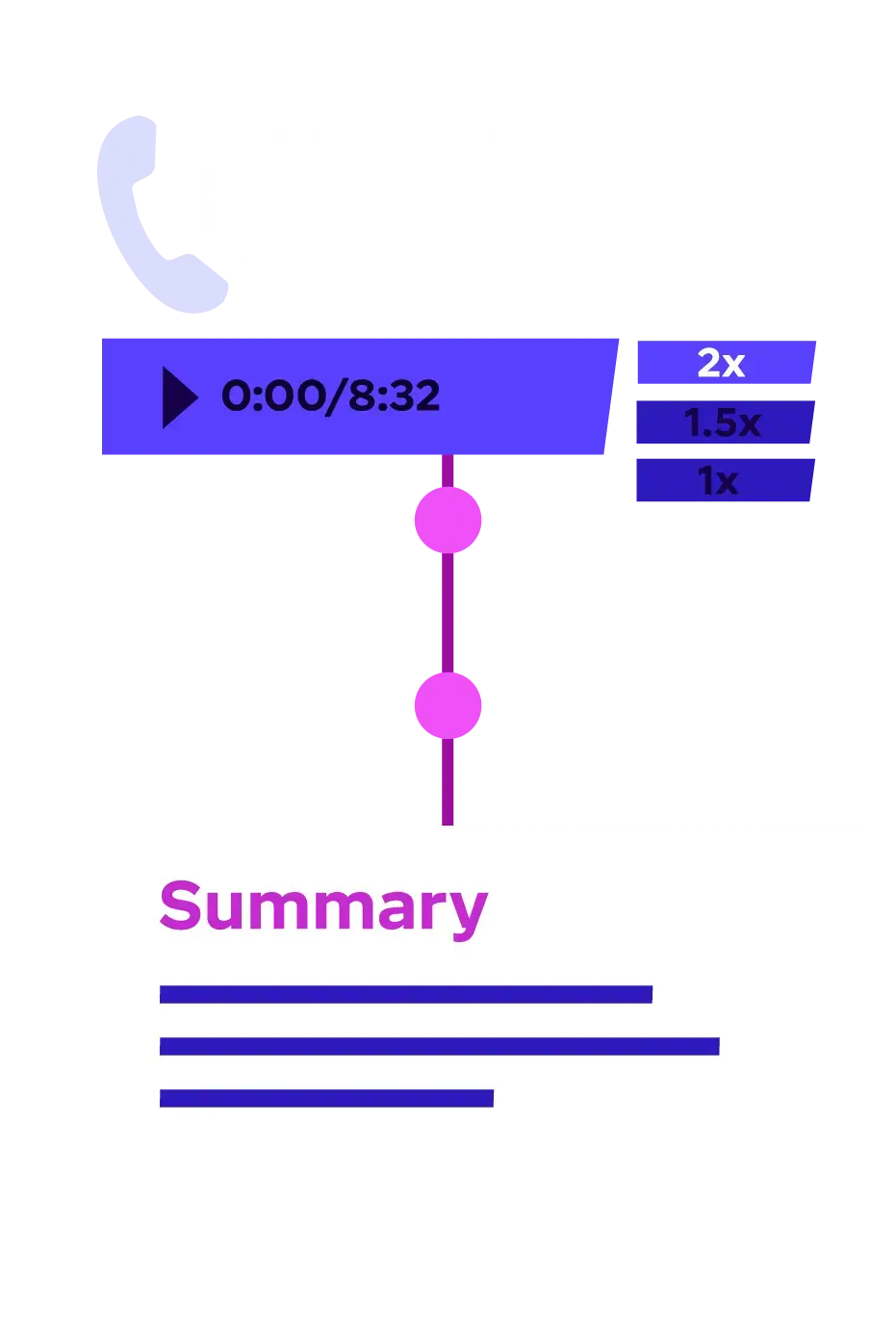
Kraken’s AI is used to summarize previous calls and messages in a thread with a customer, saving huge amounts of time that customer agents usually spend familiarizing themselves with accounts. It can also draft messages to customers, taking into account a wide array of account-relevant data. Currently, Kraken’s AI drafts over 40% of emails for clients with these AI capabilities, and our evidence suggests that customers actually prefer these types of communication. By simplifying many of the more mundane tasks, healthy AI gives customer agents more freedom to focus on the work that matters most.
Everybody benefits
AI ultimately holds a huge amount of promise for utilities and other businesses across the energy sector, but today many run the risk of getting stuck with constrained, siloed AI that can only do so much, so well. To make the most of the promises this new tech offers, utilities must be able to identify truly unified, versatile, data-smart solutions, and Kraken provides a case in point.