Powered by Kraken Customer

Embedding data into everyday operations
Meridian Energy is a retail and renewable generation utility, generating almost 30% of New Zealand’s electricity and supplying nearly 20% of its retail customers.

Project Highlights
Internal teams now have a strong culture of self-serve data use, and the confidence to act straight away
Live ops dashboards mean service experiences are being continuously (and measurably) improved
A shared platform has eliminated siloes between service, finance, commercial, data and leadership teams
Meridian Energy delivers electricity to homes and businesses through two customer-facing brands, Meridian and Powershop. Their mission to make energy cleaner and cheaper for customers in Aotearoa New Zealand was being threatened by fragmented data.
In-house innovation was being stunted by the legacy tech tax – everyday processes being slowed by information that was siloed across different systems and departments. In 2025, they decided they would de-tangle their systems to better meet the demands of the energy transition, and start fresh – with Kraken Customer at their core.
As well as adopting new technology, Meridian changed how they work to take full advantage of their new operating system – moving ownership of data and engineering into the business, so the teams closest to customers could act on what they saw.
The power of transparent data
With better visibility and access to clean data across the business – using Kraken’s single data model – Meridian has fundamentally changed how it operates.
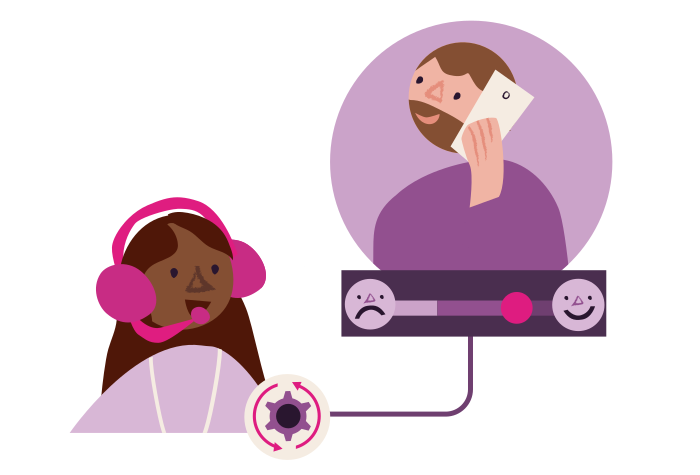
Kraken Customer’s operational dashboards are purpose built for utilities like Meridian, making near real-time data clear and accessible to everyone who needs it. Their call centre can now monitor live inbound volumes, wait times, abandon rates and customer outcomes – so teams and managers can make more informed decisions about service delivery. Any changes they make can immediately improve the experience for anyone waiting on the phone.
On one team, a live dashboard showed Friday wait times climbing even though inbound demand was low. The team could collaborate around the data to work out why this was a trend – and adapted their Friday workflows the next week to bring wait times down. Teams now set daily and weekly targets, instead of monthly goals, so they can test changes, learn, and iterate in real time.
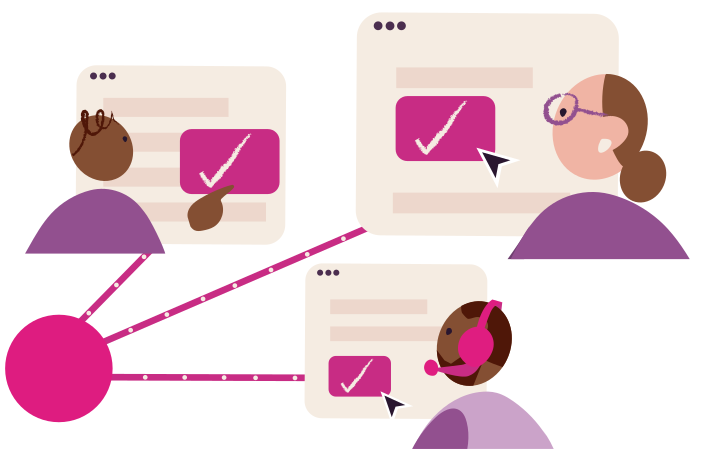
Service, finance, commercial and data teams no longer have to hang around for account information to filter through a tangle of systems, so they’re empowered to act on intel straight away.
The average time for internal teams to answer day-to-day business questions was cut from 2 weeks to just 10 minutes using self-serve data dashboards. And this empowerment goes right to the top: Merdian’s CEO completed Kraken’s non-ops training and now works in the data directly to see results as they come in, helping them to focus their leadership conversations on decision and action.
This newfound confidence from internal teams is naturally reflected in growing confidence from Meridian customers, too.
Mid-migration innovation
Once they could stop firefighting problems caused by fragmented data, Meridian were able to innovate on top of Kraken’s tech foundation – even while migrating.
Meridian has used Kraken Customer to rebuild digital experiences like their app, building ‘Lightweight AI’ into their dashboard analytics to monitor trends in brand sentiment and to spot performance patterns early. This insight shows what customers are (and aren’t) happy about, so they know exactly what to improve. Kraken’s tooling, and Meridian’s model of embedding engineers in its retail business, then enables those improvements to be actioned quickly (think 24 hours, rather than 6 to 12 months), resulting in a simpler, smarter and more impressive customer experience across channels.
Looking ahead, Meridian is starting to apply AI and machine learning on top of Kraken data to develop new products, innovative pricing updates, and smarter communications that deliver value back to customers.

ResultsResults
10 minutes
Answering day-to-day business questions now takes 10 minutes, not 2 weeks
24 hours
App experiences can be optimized in just 24 hours, compared to 6-12 months previously
9 days
Automating a single payments reconciliation process has saved 9 days of work a month (and $1.4m in payment discrepancies)